In a competitive business landscape, enterprises are constantly seeking innovative solutions to improve customer interactions, streamline operations, and gain a competitive edge. Customized ChatGPT apps, powered by OpenAI’s cutting-edge language model, have emerged as a game-changing option. These tailor-made applications enable enterprises to deliver personalized customer experiences and optimize their internal processes. This article explores the benefits of building a customized ChatGPT app for enterprises and provides a step-by-step guide to get you started on this transformative journey.
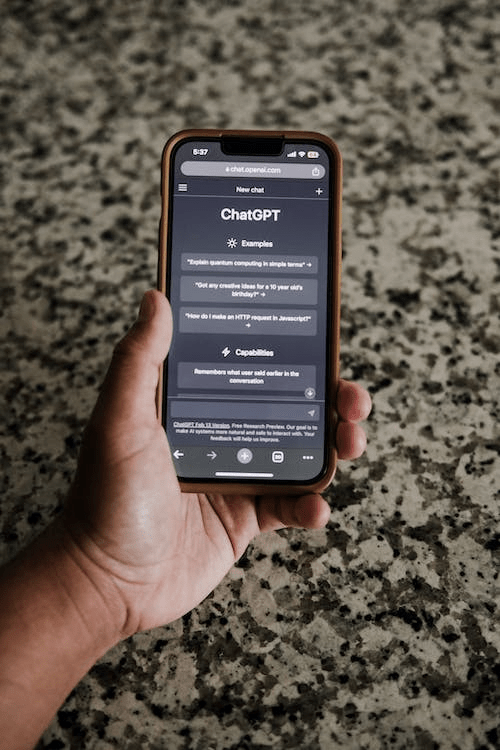
The Significance of a Customized ChatGPT App
Developing a customized ChatGPT app offers enterprises a range of compelling advantages, making it a strategic investment. These apps can be fine-tuned to meet your specific needs, delivering personalized customer experiences and operational efficiency. Here’s why you should consider creating your own:
- Enhanced Customer Engagement: Customized ChatGPT apps enable personalized interactions with customers, ensuring that every interaction aligns with your brand’s voice and values. They can provide assistance, answer queries, and offer recommendations in a manner that resonates with your audience.
- Operational Efficiency: These apps can automate routine tasks, such as handling common customer inquiries, appointment scheduling, and order tracking. This automation not only reduces operational costs but also allows your workforce to focus on more complex tasks.
- Scalability: Custom ChatGPT apps can seamlessly scale to accommodate a growing volume of interactions without a proportional increase in resources, making them a cost-effective solution for business expansion.
Steps to Build Your Customized ChatGPT App for Enterprises
Creating a customized ChatGPT app may seem like a complex endeavor, but it can be broken down into manageable steps:
- Define Your Objectives: Start by clearly outlining the objectives of your ChatGPT app. Determine its primary functions, whether it’s improving customer support, automating lead generation, or providing specialized information.
- Data Collection: Gather relevant datasets to train your ChatGPT app. This may include historical customer interactions, FAQs, product documentation, and industry-specific knowledge.
- Select the Right Tools: Choose programming languages and frameworks that align with your development team’s expertise. Common choices include Python, TensorFlow, and PyTorch.
- Training and Fine-Tuning: Train your ChatGPT model on the collected data. Fine-tuning is essential to ensure the AI comprehends context, adheres to guidelines, and provides accurate responses.
- Integration: Seamlessly integrate your custom ChatGPT app into your existing systems or platforms, such as websites, mobile apps, or CRM systems.
- Testing and Quality Assurance: Conduct comprehensive testing to identify and rectify any issues, ensuring your ChatGPT app performs optimally.
- Deployment: Once satisfied with performance, deploy your customized ChatGPT app for real-world usage.
- Continuous Improvement: Monitor user feedback and interactions to make necessary adjustments and enhancements, ensuring your ChatGPT app evolves to meet changing customer needs and market dynamics.
Conclusion: Elevate Your Enterprise with a Customized ChatGPT App
In an era where innovation is the driving force behind success, building a customized ChatGPT app tailored to your enterprise’s specific needs is a strategic move. It empowers you to deliver personalized, efficient, and scalable solutions that enhance customer engagement and operational excellence. Don’t miss the opportunity to create your customized ChatGPT app and unlock the full potential of AI-powered interactions for your enterprise. The future of customer engagement is here, and it’s customized.
 Software and Finance Industries